
Eco-Friendly Custom Packaging for Apparel E-Commerce: A 2026 Application Guide
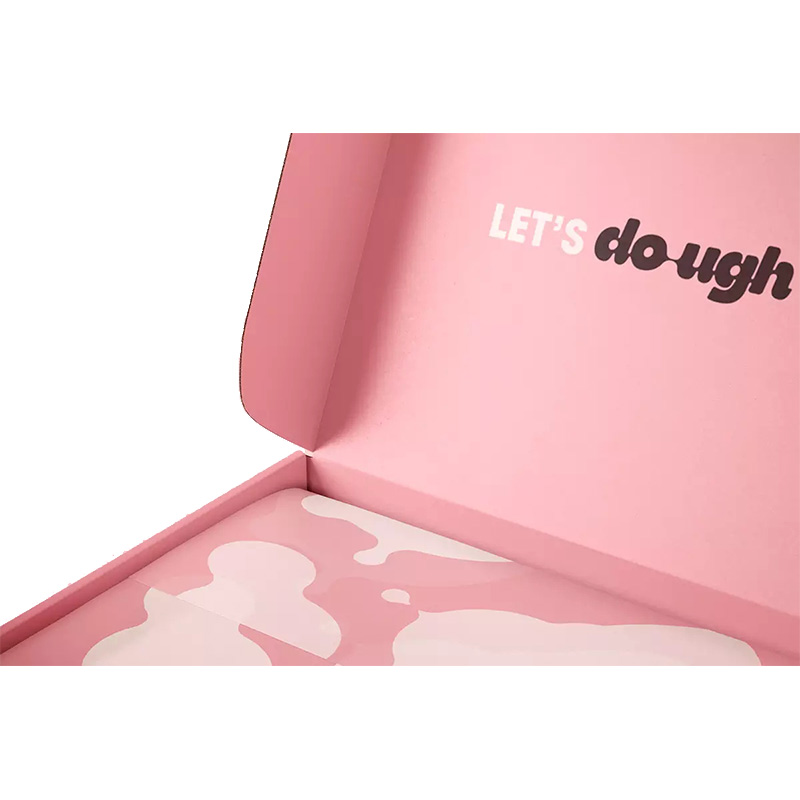
Apparel e-commerce needs three eco-friendly custom packaging formats, not one. A corrugated e-commerce mailer box (BP-MAIL-EB01) protects the parcel in transit. A folding paper carton box (BP-FBB-CARTON03) presents folded garments and accessories in a retail-ready form. A rigid gift box (BP-RIGID-GIFT02) carries VIP, loyalty and gift moments. Matched correctly, all three can be produced as FSC-certified, 100% recyclable paper packaging that meets EU PPWR requirements.
This is an application guide rather than a product list. It maps formats to apparel shipping scenarios, explains how protection, unboxing and sustainability needs change each specification, and sets out the compliance documents that matter — FSC Chain of Custody, FDA, ISO 9001 and EU PPWR. It also shows how a direct factory supports that application work through 3-day custom design, 7-day sampling and 14-day mass production.
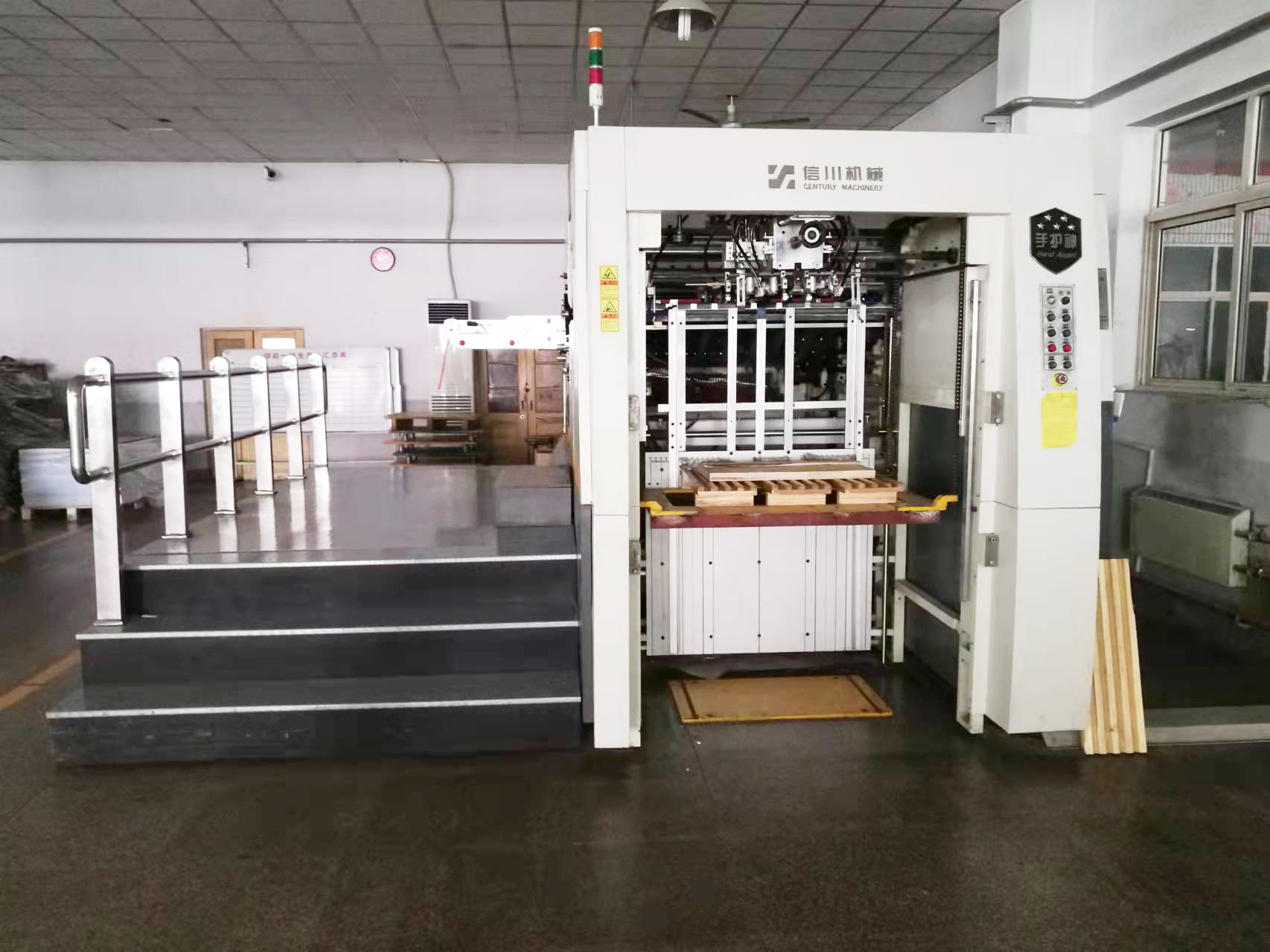
QINGDAO BEJAN GIANT NEW PACKAGING TECHNOLOGY CO.,LTD, trading as BEJAN GIANT NEW PACKAGING, is a direct paper packaging manufacturer in Qingdao, China. The company was founded in 2014, operates a 10,000 m² factory with 200+ staff and a 6-engineer structural design team, and produces 100,000,000 units of packaging annually; around 80% of output is exported to the EU, USA, UK, JP, AU, CA and KR, and the factory has served 200+ global brands.
The design problem: one box cannot carry every apparel SKU
An apparel catalogue is not one product. It contains t-shirts that ship flat, knitwear that must not crease, footwear and bags that need volume, accessories too small for a shipping carton, and gift sets that customers photograph before they wear them. Each item type has a different structural requirement, so forcing one format across the whole catalogue produces predictable failures.
- Transit failures. A plastic poly mailer protects a t-shirt from rain and little else. Corner crushing, creasing and compression damage come back as refunds and one-star reviews.
- Experience failures. A plain outer box with plastic void fill undercuts a premium price point, while a rigid gift box sent as a routine order adds cost the customer never sees.
- Compliance failures. EU PPWR requires packaging placed on the EU market to be recyclable by 2030, and Extended Producer Responsibility packaging obligations now span 63 countries. Tape-heavy, mixed-material and plastic-filled parcels are the most exposed configurations.
- Cost failures. Oversized boxes and plastic fillers increase dimensional weight and freight cost without improving protection.
The rule that resolves most of this is: classify the shipment first, choose the format second, and set the eco material configuration third. Format selection follows the shipment, not the other way around.
The 2026 market and regulatory backdrop for apparel packaging
Paper is already the leading material in sustainable packaging, and e-commerce is the segment pulling it forward. Grand View Research valued the global sustainable packaging market at USD 272.9 billion in 2023, with Europe holding a 36.2% revenue share, and projects USD 448.5 billion by 2030 at a 7.6% CAGR; Mordor Intelligence estimates USD 325.94 billion by 2026. Published forecasts differ because research firms define 'sustainable' differently, but the direction is consistent.
Two structural signals matter for apparel specifically. Paper and paperboard held a 38.2% material share of the sustainable packaging market in 2024 (Research and Markets / Golden Arrow), and boxes and cartons accounted for 33.6% of that market in 2024, driven by e-commerce growth (Precedence Research). Within the same segment, sustainable e-commerce packaging for mailers and envelopes is growing at a 9.41% CAGR through 2031 (Mordor Intelligence). In the United States, e-commerce volume already drives demand for billions of corrugated shipping boxes annually, most of them made from recycled fiber (Precedence Research).
Regulation is moving in the same direction. The EU Packaging and Packaging Waste Regulation (PPWR) was adopted on 19 December 2024 and entered into force on 11 February 2025, with major application starting August 2026 (Latham & Watkins). The European Commission states that all packaging must be recyclable by 2030 and that recycled content targets apply. EPR obligations for packaging now span 63 countries as of 2025 (Mordor Intelligence).
What this means for an apparel brand: format choice is no longer only a branding decision. A mailer box, folding carton or rigid box that cannot be documented for fiber sourcing and end-of-life handling is a compliance risk in the EU, not just an aesthetic compromise.
Three formats, three apparel jobs
1. Corrugated e-commerce mailer box (BP-MAIL-EB01): the transit layer
The BP-MAIL-EB01 corrugated e-commerce mailer box is the shipping format. It is built from FSC-certified E/B flute corrugated board, uses an automatic self-locking structure that needs no adhesive tape, and can be printed in full colour on both the inner and outer surfaces. Printing uses food-grade soy-based eco ink and the board is bonded with water-based starch glue. Custom molded pulp inserts are supported for holding folded garments in place. Unit price starts from $0.5 and daily output is at least 40,000 pieces.
For apparel, the practical benefits are twofold. The tape-free self-locking closure speeds up pack-out in the warehouse and removes plastic tape from the customer's recycling bin. Double-sided printing converts the inside of the box into brand space that a poly mailer does not have. In transit, the corrugated wall absorbs handling impact, and a molded pulp insert stops folded items from shifting. The format is used in custom paper packaging manufacturing scenarios in markets such as Finland, and it can be combined with internal accessories, fillers, outer packaging components, inner liners, inner stickers and handle bags.
Boundary condition: a corrugated mailer is not automatically the cheapest option for a single light item, and for multi-item or heavier orders it needs a molded pulp insert rather than loose paper fill to hold its protection level.

2. Folding paper carton box (BP-FBB-CARTON03): the retail-ready layer
The BP-FBB-CARTON03 folding paper carton box is the presentation format for folded garments and accessories. It is made from FSC-certified FBB/SBS white cardboard in 250–400gsm, or from recycled paperboard, and supports structures including top-and-bottom lid, auto-lock bottom and window patch. Printing covers full CMYK four-colour and Pantone spot colour, with hot stamping in gold or silver, embossing and debossing, and spot UV. Surface finishing options include matte or gloss lamination and water-based soft-touch varnish, with paper dividers and simple paper trays as inserts. Unit price starts from $0.3 and daily output is at least 60,000 pieces.
This carton earns its place because it is lightweight and ships flat, which cuts total shipping cost, while still allowing full inner and outer printing and special finishing for brand expression. Paper divider structures protect the product without plastic parts, and the all-paper eco configuration has passed food-contact safety testing as well as drop and compression testing — useful when a gift set includes a candle, cosmetic item or tea alongside apparel. The format is designed to operate in normal temperature and humidity indoor environments.
Boundary condition: a folding carton sized for folded garments is not the primary shipping outer for heavy or fragile items. In practice it travels inside a corrugated mailer or a case, which is exactly where the two formats complement each other.
3. Rigid gift box (BP-RIGID-GIFT02): the brand-moment layer
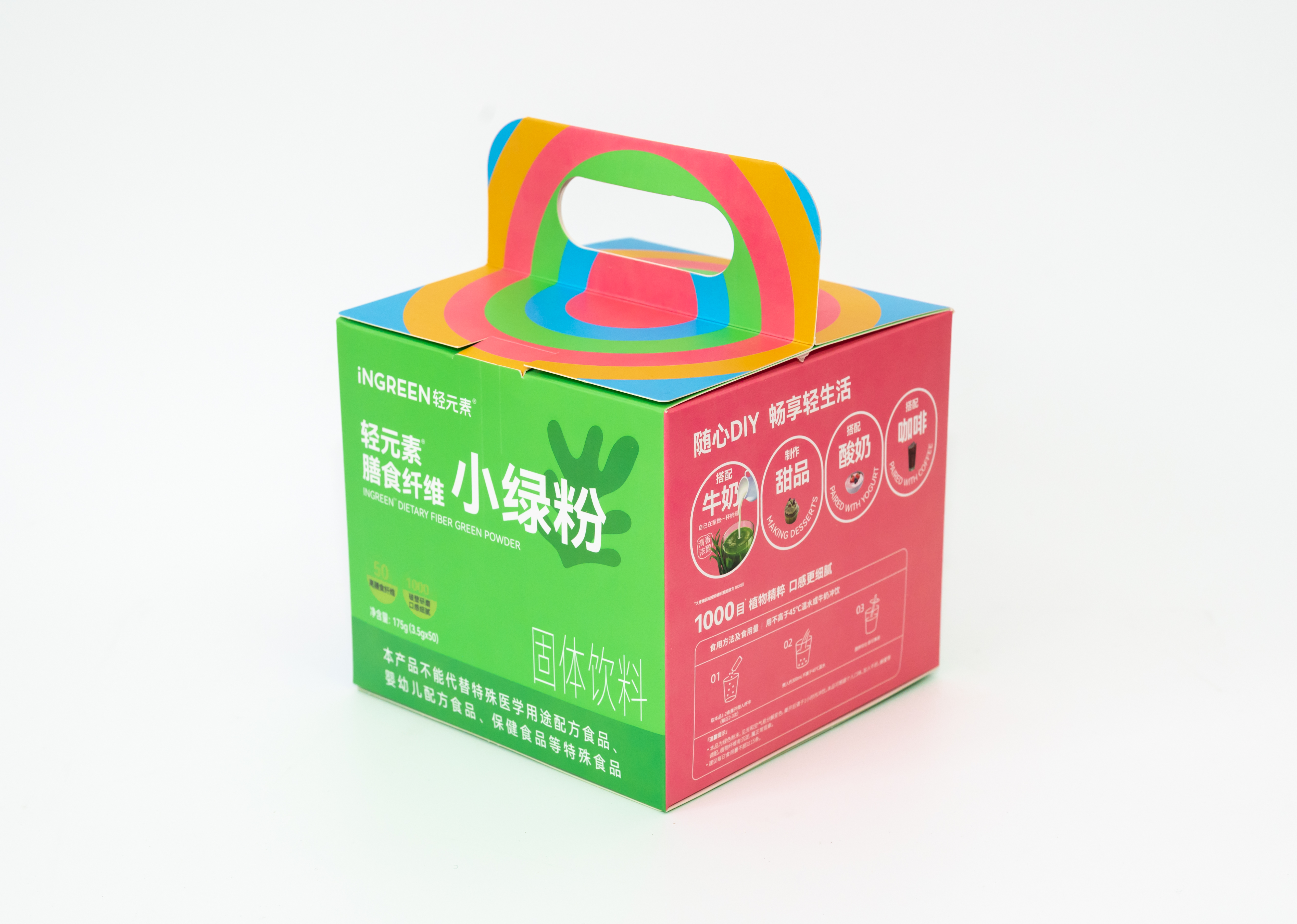
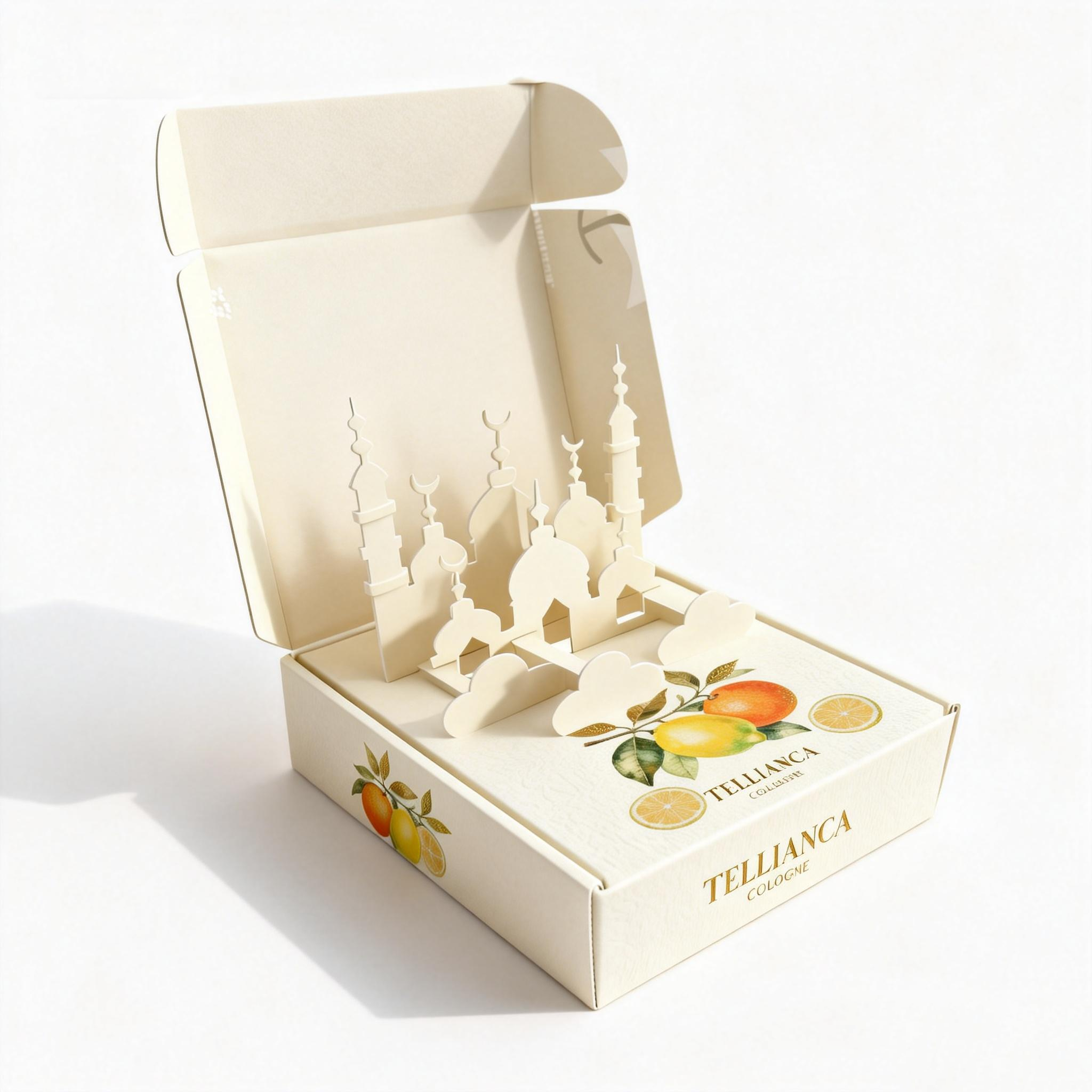
The BP-RIGID-GIFT02 rigid gift box is the format for VIP, loyalty and gifting kits. The base is 1.5–3mm high-density FSC grey board wrapped in FSC or recycled eco paper, with a foldable flat style available to reduce inbound freight volume. Magnetic closures are specified at 5N standard, with 7.5N and 10N upgrades for heavier contents. Inserts can be foam, EVA tray, molded pulp, velvet-lined paper tray or layered divider cards, and sizes are fully customizable. Unit prices start from $1.5, daily output is at least 25,000 pieces, and the box passes FEFCO drop and compression testing. An FSC-certified all-paper, plastic-free configuration is available.
In an apparel programme, this is the box for loyalty-tier shipments, influencer seeding, bridal and holiday sets, and subscription upgrades. It delivers the unboxing depth a shipping mailer cannot, and it protects high-value items through custom shockproof inserts. The wider industry is moving the same way at scale: molded pulp insert solutions are being deployed to replace plastic vac-forms in premium packaging (Intrecore / L'Oréal Finance, 2024).
Boundary condition: rigid construction is the highest-cost and heaviest of the three formats, so it should be reserved for shipments where average order value justifies it. It also requires compatible internal accessories, fillers and outer packaging components — a rigid box without a properly specified insert protects less than a well-fitted carton.

Matching a format to an apparel scenario: a 7-step application workflow
- Classify the shipment. Transit-only orders need protection and pack-out speed; retail-ready orders need shelf presence; gift and loyalty shipments need an unboxing moment. This single classification removes most format mistakes.
- Define the protection requirement. Note garment weight, whether the item creases, whether multiple pieces ship together, and whether the parcel will be stacked. Insert selection follows from this: molded pulp for the mailer, paper dividers for the folding carton, molded pulp or velvet-lined trays for the rigid box.
- Choose the format. Use the BP-MAIL-EB01 for shipping, the BP-FBB-CARTON03 for folded garments and accessories, and the BP-RIGID-GIFT02 for VIP and gifting. Mixed programmes commonly run all three against one brand style guide.
- Configure the eco specification. Specify FSC-certified board, low-VOC soy-based ink and water-based starch adhesive, and avoid plastic windows, plastic void fill and plastic lamination where a paper alternative works. Ask for the all-paper, plastic-free configuration explicitly.
- Map compliance before printing. Confirm FSC Chain of Custody documentation for the fiber, check recyclability and recycled content expectations against the PPWR timetable, register for EPR in the countries where the brand sells, and note where FDA requirements apply to gift-set items that touch food.
- Validate with a physical sample. This is the step that de-risks the programme. Custom design takes 3 days and sampling takes 7 days, with free blank samples available for structure checks. Structural optimisation, compression resistance testing and full inspection before shipment are part of the process, and third-party on-site inspection by SGS can be arranged.
- Scale into production. Order minimums start at 500 units, mass production runs on a 14-day cycle, and quoted lead times typically fall between 7 and 15 days depending on structure and quantity. Batch-consistent colour reproduction and on-time delivery are the metrics worth tracking order by order.
Apparel e-commerce use cases in practice
Single-item direct-to-consumer shipment
A t-shirt or hoodie ships in a BP-MAIL-EB01 mailer printed inside and out. The tape-free self-locking closure keeps warehouse pack-out fast, the printed interior carries sizing guidance or a re-order code, and the customer opens a paper parcel with no plastic tape to strip off.
Multi-item folded order with accessories
A folded knitwear set plus a belt or scarf goes into a BP-FBB-CARTON03 folding carton with paper dividers, then into a corrugated mailer as the outer. The divider structure holds the garments apart, so the retail carton arrives without creasing and can be kept by the customer.
Retail-ready wholesale and pop-up delivery
Where garments move from warehouse to shelf, the folding carton becomes the primary pack: window patch to show the fabric, foil stamping for brand presence, auto-lock bottom for quick assembly. No repacking is needed between the warehouse and the sales floor.
VIP, loyalty and gifting kits
Loyalty-tier shipments, influencer seeding and holiday sets fit the BP-RIGID-GIFT02 rigid box with a magnetic closure and a molded pulp or velvet-lined insert. For a coordinated programme, the rigid box can also be the shipping outer when it is built with a protective insert and tested for drop and compression.
Subscription and seasonal programmes
Subscription apparel boxes run best on the mailer plus molded pulp insert, with artwork versioned per season on the same approved structure. Keeping the structure stable and changing only the print avoids repeated die-cutting and sampling costs.
Repeat-order behaviour at the factory supports this model. BEJAN's cross-border DTC and foreign-trade wholesale clients order 5,000–50,000 pieces per batch on long-term repeat orders running 3–5 years, with reported results of stable packaging quality and smooth customs clearance; project delivery locations include South Korea, Israel and the United States. Well-run apparel programmes follow the same pattern: lock the structure once, then re-order it with new artwork instead of re-specifying the box each season.
Compliance checkpoints: FSC Chain of Custody, FDA, ISO 9001 and EU PPWR
FSC and Chain of Custody. BEJAN holds FSC certification, and paper packaging sourced through the FSC system is documented through Chain of Custody, which tracks certified material from the forest through to the finished box. For an apparel brand, the practical action is to request FSC documentation for the specific order rather than relying on a general supplier claim.
FDA. BEJAN holds FDA certification, and the folding carton line has passed food-contact safety testing. This matters for apparel gift sets that include candles, cosmetics, tea or confectionery alongside garments.
ISO 9001. The factory operates under ISO 9001 quality management certification, supported by full-process control from raw material inspection to finished product testing, plus full inspection before shipment. Buyers evaluating batch consistency should treat the certification and the inspection record as one package.
EU PPWR. All BEJAN products are stated to comply with the latest EU PPWR regulations, which supports barrier-free access to European markets. Because the regulation requires all packaging to be recyclable by 2030 and sets recycled content targets, the safest apparel specification is an all-paper, plastic-free construction documented at order level.
100% recyclable construction. A 100% recyclable paper configuration is available across all three formats: FSC board, soy-based inks and starch adhesive, with no plastic parts. Where a rigid box uses magnetic hardware or a mixed insert, confirm the closure and insert choices with the factory before assuming a mono-material recycling stream.
Format comparison: mailer box vs. folding carton vs. rigid gift box
| Criteria | Corrugated mailer box BP-MAIL-EB01 | Folding carton box BP-FBB-CARTON03 | Rigid gift box BP-RIGID-GIFT02 |
|---|---|---|---|
| Primary apparel job | Shipping protection for single and multi-item orders | Retail-ready presentation for folded garments and accessories | VIP, loyalty and gifting unboxing |
| Material | FSC-certified E/B flute corrugated board | FSC-certified FBB/SBS white cardboard (250–400gsm) or recycled paperboard | 1.5–3mm high-density FSC grey board with FSC or recycled wrap |
| Structure highlight | Automatic self-locking, no adhesive tape | Top-and-bottom lid, auto-lock bottom, window patch | Magnetic closure at 5N standard, 7.5N/10N available |
| Insert options | Custom molded pulp inserts | Paper dividers and simple paper trays | Foam, EVA tray, molded pulp, velvet-lined paper tray, divider cards |
| Testing evidence | Corrugated board protection for parcel transit | Passed food-contact safety test; passed drop and compression test | Passes FEFCO drop and compression test |
| Unit price starts from | $0.5 | $0.3 | $1.5 |
| Daily output | 40,000 pieces or more | 60,000 pieces or more | 25,000 pieces or more |
| Eco configuration | FSC recyclable board, soy ink, starch glue | All-paper eco configuration with low-VOC soy ink | FSC-certified all-paper, plastic-free configuration available |
| Best-fit scenario | Cross-border and DTC apparel parcels | Retail and wholesale channels, pop-up delivery | Premium DTC, loyalty and gifting |
Prices are starting reference points from the manufacturer's published product data and vary with size, material grade, finishing and order quantity. Premium custom packaging typically adds $0.30–$0.75 per unit compared with generic alternatives (Baysource Global, 2025) — the benchmark most brands should run against their current specification.
FAQ: eco-friendly custom packaging for apparel e-commerce
What should I verify in an FSC-certified eco-friendly custom packaging supplier for e-commerce?
Verify four things: FSC documentation traceable to the specific order (FSC Chain of Custody is how certified fiber is tracked from forest to finished box), food-contact safety testing where gift-set items touch food, ISO 9001 quality management certification for batch consistency, and written confirmation that the configuration complies with EU PPWR, which requires all packaging to be recyclable by 2030. BEJAN holds FSC, FDA and ISO 9001 certification and states that its products comply with current EU PPWR regulations.
Can one factory produce mailer boxes, folding cartons and rigid gift boxes for the same apparel brand?
Yes, when the factory runs the relevant structures in-house. BEJAN manufactures all three formats — the BP-MAIL-EB01 corrugated mailer box, the BP-FBB-CARTON03 folding paper carton and the BP-RIGID-GIFT02 rigid gift box — on a 10,000 m² production site with 200+ staff, a 6-engineer design team and 100,000,000 units of annual capacity, which keeps one brand's colour and structure standard consistent across formats and reduces multi-supplier variance.
What is the minimum order quantity and unit cost for eco-friendly custom packaging?
Order minimums start at 500 units. Published starting prices are from $0.3 per unit for the folding carton box, from $0.5 for the corrugated mailer box and from $1.5 for the rigid gift box, with final pricing driven by size, board grade, printing and finishing. Third-party benchmarking puts the premium of custom packaging over generic alternatives at roughly $0.30–$0.75 per unit (Baysource Global, 2025), so the comparison worth running is custom specification against current generic packaging plus damage and return costs.
How do design and sampling work before a production order?
Custom design takes 3 days and physical sampling takes 7 days. Free blank samples are available for structure and fit checks, and packaging structure optimisation solutions can be proposed before tooling is finalised. Where independent verification is required, third-party on-site inspection by SGS can be arranged, and full inspection together with compression resistance testing is performed before shipment.
What lead times apply to eco-friendly custom packaging production?
Sampling runs on a 7-day cycle and mass production on a 14-day cycle, with quoted lead times typically between 7 and 15 days depending on structure and quantity; the factory operates on a 30,000,000-unit monthly capacity. The quickest way to confirm a timeline for a specific apparel programme is to send garment sizes, order quantity and target market — a sample request can be started through the factory contact below.
Conclusion: build the programme around the shipment, not the box
Apparel e-commerce packaging works when the format follows the shipment. Transit orders belong in a corrugated e-commerce mailer box, retail-ready folded garments and accessories belong in a folding paper carton, and VIP, loyalty and gifting kits belong in a rigid gift box — all three available as FSC-certified, 100% recyclable paper configurations with soy-based inks and starch adhesive. The compliance side is equally concrete: FSC Chain of Custody documentation at order level, ISO 9001 quality management, FDA certification where food-contact items are involved, and conformity with EU PPWR as its major application phase moves ahead.
Because BEJAN GIANT NEW PACKAGING runs design, printing, die-cutting, lamination and gluing in-house across a 10,000 m² facility with 200+ staff, 100,000,000 units of annual capacity and 200+ global brands served, structure changes and re-orders stay inside one supply chain: 3-day design, 7-day sampling and 14-day mass production from a 500-unit minimum.
Start with a sample, not a full order
Send your garment sizes, order quantity and target market to BEJAN GIANT NEW PACKAGING for a structure recommendation and a physical sample. Design takes 3 days, sampling 7 days and mass production 14 days; minimum order is 500 units.
bzpackage.com · WhatsApp +86 150 6426 0757 · hello@qingdaobaina.com
Address: No. 96, Tianfeng North Road Chengyang, Qingdao, China
Download the full packaging catalogue (PDF)
Have Questions or Need More Details?
Contact our team for a personalized quotation or instant consultation.
Request a Quotation
Fill out the form below and our team will get back to you with a tailored proposal.
WhatsApp Direct Chat
Prefer to chat in real-time? Message us on WhatsApp for instant assistance & quick answers.
- Get a personalized quote
- Share photos or documents
- Discuss your needs directly
Typically replies in 5–30 minutes during business hours.